What is the Perfume Project?

This blog is a constantly evolving forum for thoughts on perfume, perfume-making, plants (especially orchids and flora of the Pacific Northwest) and life in general. It started out chronicling the adventures of Olympic Orchids Perfumes, established in July 2010, and has expanded in other directions. A big part of the blog is thinking about the ongoing process of learning and experimentation that leads to new perfumes, the exploration of perfumery materials, the theory and practice of perfume making, the challenges of marketing perfumes and other fragrance products, and random observations on philosophy and society. Spam comments will be marked as such and deleted; any comments that go beyond the boundaries of civil discourse will also be deleted. I am grateful to all of you, the readers, who contribute to the blog by commenting and making this a truly interactive perfume project.

Showing posts with label Artemisia tridentata. Show all posts

Tuesday, August 27, 2019

WINNER OF THE NOTHING IS FOREVER DRAWING AND ARTEMISIA TRIDENTATA

The winner of the latest drawing is CRYSTAL. 

To claim your box of samples, send me at e-mail at olympicorchids at gmail dot com or leave a comment on the Olympic Orchids Facebook page 

I will be away from the blog, traveling in Europe from September 4-17, so would like to get this drawing finished up and the prize sent off before I leave. 

There will be a new drawing once I’m back in Seattle, once again for a big box of samples and anything else related that will fit in the box. 

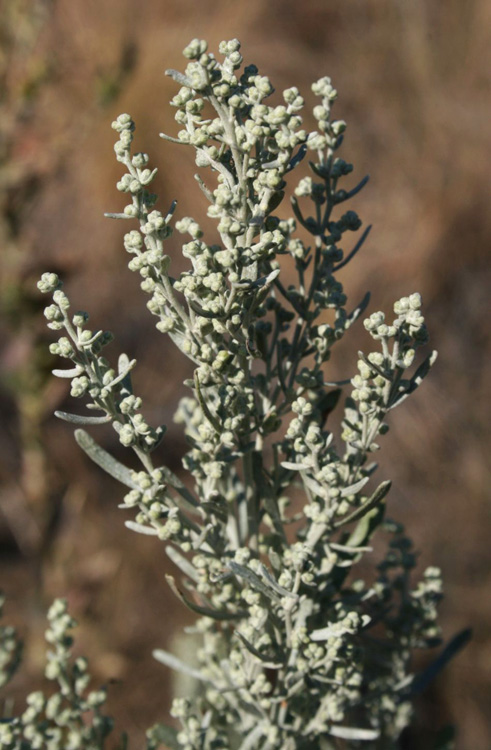
Several years ago I wrote about Artemisia, but have become newly fascinated with Artemisia tridentata, also called big sagebrush. You can read a little bit about it here. I have discovered that it grows everywhere east of the Cascades, and last month harvested some, thinking we might want to distill it. Life intervened and we waited too long, but I took the dried-out leaves and tinctured them, thinking it might be interesting. 

Much to my surprise, within a day the alcohol had turned a bright green, and within a week it was dark emerald green, so I removed the plant matter and filtered it. It is so dark now that it is hard to photograph. I think you can see it best when the bottle is turned on its side and the light shines through. The bright green color was surprising given that the plant itself looks grayish. Best of all, the tincture has quite a strong scent that really captures the fragrance of the fresh plant. I think this tincture would make a great perfume!

To enter the next drawing, leave a comment about where you would like to travel in Europe or some association you have with sagebrush.

[All photos are mine] 

Saturday, December 10, 2011

ARTEMISIA: THE OTHER SAGE


When I wrote about sage the other day, I mentioned sagebrush, which is not sage at all, but Artemisia tridentata. Artemisia is another widespread genus with hundreds of species, some of which are useful in perfume making.

Artemisia tridentata, commonly known as North American sagebrush, is one of the shrubby, drought-resistant bushes that grows all over the western part of the US in desert-like areas, including Eastern Washington. The plant is woody and tough, with leathery, silvery-gray leaves and yellow flowers. The essential oil, made from the leaves and stems, not the flowers, has a dry, pungent fragrance that’s a little like garden sage, but much more “wild”- smelling. If you could call a plant “gamey”, sagebrush would fit that description. I use this oil in my Arizona fragrance as part of the desert vegetation note.

Artemisia absinthium, or wormwood, is another shrubby plant with silvery-green leaves, and was the ingredient for which absinthe was named before it was regulated and reformulated using anise flavoring. Its traditional medicinal use is to eliminate parasitic worms from the gut. Historically, it was also used to flavor vermouth and some other wines, and may still be used that way in small amounts. So far I have not found this essential oil for sale by any of my usual sources, but I did locate some to try, and it should be on its way.

Artemisia dracunculus is garden-variety tarragon, used in cooking. It’s smaller than the other Artemesia varieties, the leaves are greener, and it has a characteristic fragrance that falls somewhere in the space between anise, basil, and sweet clover. I used tarragon in Kingston Ferry as part of the aromatic herbal component.

[All plant photos from Wikimedia]